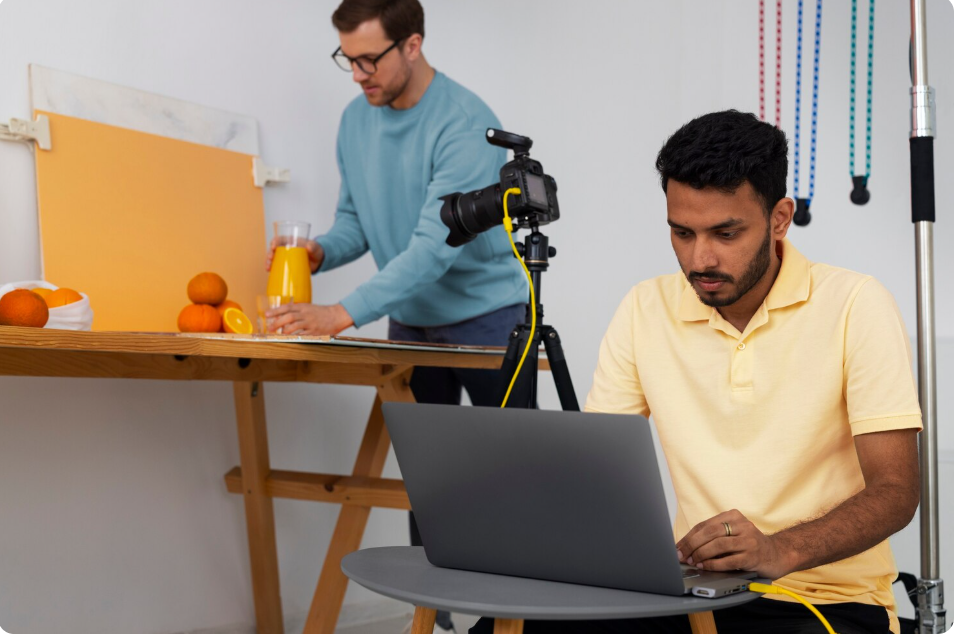
The digital age has given rise to a new era of creativity, where content creation has become a powerful force shaping culture, communication, and business. From social media posts and videos to blogs, podcasts, and live streams, content creators influence the way audiences consume information, entertainment, and trends. Understanding the dynamics of content creation reveals its impact on society, media, and the digital economy.
The Rise of Content Creators
Content creators are individuals or teams who produce and share digital content to engage, educate, or entertain audiences online. Platforms like YouTube, Instagram, TikTok, Twitch, and blogs have democratized content creation, allowing anyone with creativity and access to the internet to reach global audiences. Unlike traditional media, creators are often independent, building personal brands and connecting directly with followers.
The rise of influencers—content creators with substantial online followings—has reshaped marketing, entertainment, and public communication. Brands collaborate with influencers to reach target audiences authentically, leveraging the creator’s credibility and engagement. This has created a new economy where creators generate revenue through sponsorships, advertisements, merchandise, and fan support.
Trends in Content Creation
Several trends define modern content creation. Short-form video content, popularized by TikTok and Instagram Reels, caters to viewers’ decreasing attention spans and preference for quick, engaging visuals. Interactive content, such as live streams, polls, and Q&A sessions, allows creators to build strong relationships with their audience, fostering engagement and loyalty.
User-generated content (UGC) is another influential trend, where audiences participate in creating and sharing content related to brands, challenges, or trends. UGC increases community involvement, enhances authenticity, and amplifies reach, reflecting the participatory nature of modern digital culture.
Additionally, creators are diversifying their content formats. Podcasts, educational videos, vlogs, and collaborative projects allow creators to reach varied audiences and experiment with innovative storytelling methods. Creativity and originality remain central to standing out in an increasingly crowded digital space.
Impact on Society and Culture
Content creators have a profound impact on society and culture. They influence public opinion, trends, fashion, language, and behavior. Social media challenges, viral trends, and memes often originate from creators, shaping pop culture in real time. Moreover, creators use their platforms to raise awareness about social issues, mental health, environmental causes, and activism, demonstrating the social power of digital content.
The creator economy also affects traditional media, challenging television, print, and radio with more interactive and personalized content. Audiences increasingly prefer content tailored to their interests, fostering niche communities and enabling diverse voices to gain recognition.
Monetization and the Creator Economy
Content creation has become a viable career path due to diverse monetization strategies. Advertising revenue, sponsorship deals, paid subscriptions, merchandise, and crowdfunding support creators financially. Platforms offer built-in monetization tools, such as YouTube AdSense, Instagram Shopping, Patreon, and TikTok Creator Fund, enabling creators to turn their passion into sustainable income.
This economic shift empowers creators to maintain independence while reaching audiences directly. It also encourages innovation, as creators continuously develop unique content to attract engagement, followers, and revenue.
Challenges for Content Creators
Despite the opportunities, content creation comes with challenges. High competition requires consistent output, creativity, and audience engagement to remain relevant. Algorithms on platforms determine visibility, sometimes favoring certain types of content or creators, creating uncertainty and pressure.
Creators also face issues such as online harassment, mental health strain, and the pressure to constantly innovate. Balancing authenticity with monetization is another challenge, as audiences value genuine content over overly commercialized messages. Navigating these challenges requires resilience, strategy, and adaptability.
The Future of Content Creation
The future of content creation is intertwined with technology, audience behavior, and digital innovation. Augmented reality (AR), virtual reality (VR), artificial intelligence (AI), and immersive experiences are expected to play a larger role in interactive storytelling. Globalization and platform accessibility will enable creators to reach diverse audiences, fostering cross-cultural engagement.
Creators will continue shaping digital culture, influencing trends, and driving conversations on social and cultural issues. As the creator economy grows, both individuals and businesses will increasingly rely on content creators to inform, entertain, and inspire audiences worldwide.
Conclusion
Content creation and creators are central to the digital age, driving innovation, engagement, and cultural influence. Through diverse formats, interactive experiences, and social impact, creators have transformed how audiences consume media, connect with ideas, and participate in online communities. Despite challenges, the creator economy continues to thrive, demonstrating that creativity, authenticity, and adaptability remain at the heart of digital influence. As technology and culture evolve, content creators will remain pivotal in shaping trends, opinions, and the future of media.