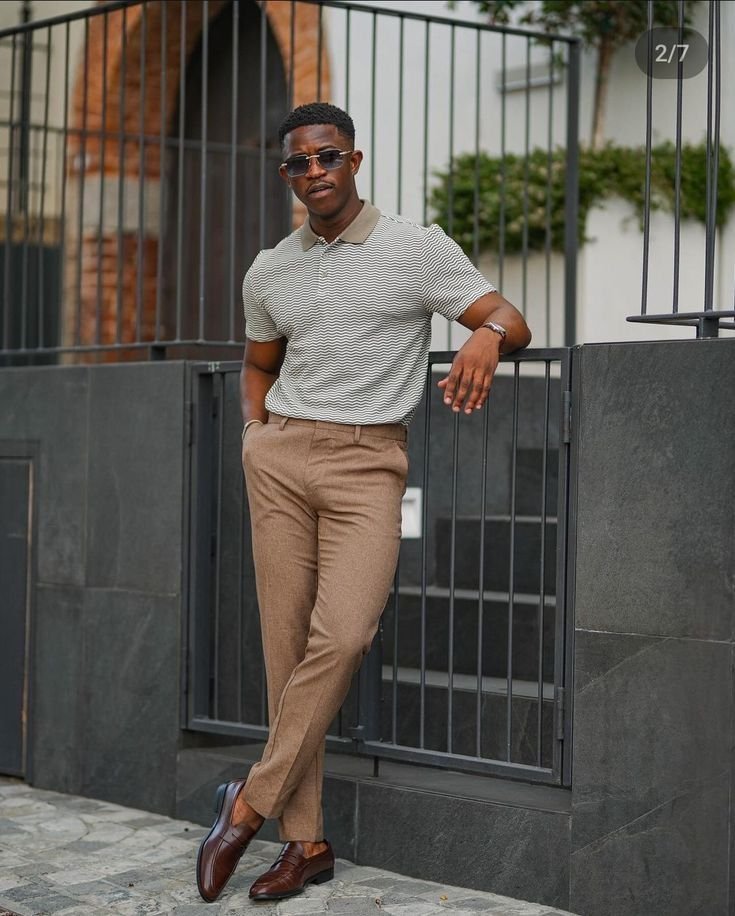
Understanding business casual men fashion is essential in today’s workplace. As office dress codes become more flexible, many professionals are expected to look polished without wearing a traditional business suit every day. The challenge is finding the right balance between professional and comfortable.
Business casual allows men to express personal style while maintaining a neat, workplace-appropriate appearance. Whether you’re attending meetings, working in a modern office, interviewing for a job, or networking at professional events, dressing appropriately helps create a positive first impression and boosts confidence.
This guide explains what business casual means for men, the clothing items every wardrobe should include, how to create stylish outfits for different workplaces, and common mistakes to avoid.
What Is Business Casual for Men?
Business casual is a dress code that sits between formal business attire and everyday casual clothing. It removes the need for a full suit and tie while still maintaining a professional appearance.
Although the exact expectations vary by company and industry, business casual generally focuses on clean, well-fitted clothing in classic colors and simple designs.
Key Characteristics
A business casual outfit typically includes:
- Collared shirts.
- Chinos or dress pants.
- Loafers or dress shoes.
- Optional blazer.
- Minimal accessories.
- Clean grooming.
The goal is to appear professional without looking overly formal.
Essential Business Casual Wardrobe
Building a versatile wardrobe starts with investing in timeless clothing that can be mixed and matched for different occasions.
Dress Shirts
Every business casual wardrobe should include several well-fitted dress shirts.
Recommended colors include:
- White.
- Light blue.
- Navy.
- Gray.
- Soft pink.
- Light patterns.
Solid colors and subtle patterns are usually the safest choices for professional settings.
Oxford Shirts
Oxford button-down shirts are a popular option because they look polished while remaining slightly more relaxed than formal dress shirts.
They pair well with chinos, dress trousers, and blazers.
Polo Shirts
Many modern workplaces accept polo shirts as part of business casual attire.
Choose high-quality polos in neutral colors such as:
- Navy.
- White.
- Black.
- Gray.
- Olive.
Avoid oversized logos or overly bright designs.
Choosing the Right Pants
Pants play an important role in creating a balanced business casual outfit.
Chinos
Chinos are among the most popular business casual choices because they offer both comfort and versatility.
Popular colors include:
- Khaki.
- Navy.
- Charcoal.
- Olive.
- Stone.
Slim or tailored fits generally create a cleaner appearance.
Dress Trousers
Dress trousers provide a slightly more formal look while still fitting within most business casual dress codes.
They pair especially well with:
- Oxford shirts.
- Sweaters.
- Sport coats.
- Leather shoes.
Dark Jeans
Some companies allow dark denim as part of business casual attire.
If jeans are acceptable:
- Choose dark washes.
- Avoid distressing.
- Ensure a tailored fit.
- Pair them with professional footwear.
Always confirm your workplace’s dress code before wearing denim.
Shoes That Complete the Look
Shoes often determine whether an outfit appears polished or too casual.
Loafers
Leather loafers are one of the most versatile options for business casual outfits.
They work well with:
- Chinos.
- Dress trousers.
- Dark jeans.
Derby Shoes
Derby shoes provide a classic appearance that complements nearly every business casual wardrobe.
Chelsea Boots
Chelsea boots offer a stylish alternative during cooler months while maintaining a professional appearance.
Clean Leather Sneakers
Many modern offices allow minimalist leather sneakers.
Choose styles that are:
- Solid colored.
- Clean.
- Low profile.
- Free from large logos.
Athletic running shoes generally do not fit a business casual dress code.
Jackets and Outerwear
Adding a jacket instantly elevates many business casual outfits.
Blazers
A navy blazer is one of the most valuable pieces in a men’s wardrobe.
It pairs well with:
- Chinos.
- Dress trousers.
- Oxford shirts.
- Polo shirts.
Sport Coats
Sport coats provide slightly more texture and flexibility than traditional blazers.
They work particularly well during autumn and winter.
Lightweight Sweaters
Crewneck and V-neck sweaters layered over collared shirts create a refined yet comfortable look.
Neutral colors remain the easiest to coordinate.
Accessories That Enhance Your Outfit
Accessories should complement your outfit rather than attract excessive attention.
Recommended accessories include:
- Leather belts.
- Classic wristwatch.
- Minimal wallet.
- Professional briefcase.
- Leather messenger bag.
- Simple pocket square when appropriate.
Choose accessories that match the overall formality of your clothing.
Business Casual Outfit Ideas for Different Workplaces
Not every office defines business casual in the same way.
Corporate Office
A polished outfit might include:
- White Oxford shirt.
- Navy chinos.
- Brown leather loafers.
- Navy blazer.
Technology Company
Many technology workplaces prefer a relaxed version of business casual.
Examples include:
- Polo shirt.
- Dark chinos.
- Leather sneakers.
- Lightweight jacket.
Creative Industry
Creative workplaces often allow more personal expression while maintaining professionalism.
You might combine:
- Patterned button-down shirt.
- Tailored trousers.
- Chelsea boots.
- Sport coat.
Always observe your company’s culture before experimenting with bold colors or patterns.
Business Casual by Season
Dressing well throughout the year means choosing clothing that suits both the weather and your workplace. A seasonal approach helps you stay comfortable while maintaining a professional appearance.
Spring
Spring is a great time to introduce lighter colors and breathable fabrics.
Good choices include:
- Light blue Oxford shirts.
- Beige or stone chinos.
- Brown loafers.
- Lightweight cotton blazer.
- Fine-knit sweaters for cooler mornings.
Summer
Warm weather calls for lightweight, breathable clothing that still looks polished.
Recommended options:
- Linen or cotton shirts.
- Polo shirts in solid colors.
- Lightweight chinos.
- Loafers without visible athletic socks.
- Unstructured blazers for meetings.
Avoid flip-flops, sleeveless tops, athletic shorts, or heavily distressed clothing in professional environments.
Autumn
Autumn allows for layering while maintaining a refined look.
Popular combinations include:
- Oxford shirt with a crewneck sweater.
- Navy chinos.
- Chelsea boots.
- Wool sport coat.
Earth tones such as olive, brown, burgundy, and charcoal work particularly well during this season.
Winter
Winter business casual focuses on warmth without sacrificing style.
Essential pieces include:
- Wool overcoat.
- Cashmere or merino wool sweater.
- Dress trousers.
- Leather boots.
- Scarf and leather gloves in neutral colors.
Layering helps maintain comfort throughout the workday.
Business Casual vs Business Professional
Many professionals confuse these two dress codes. Although they share similarities, business professional is noticeably more formal.
| Feature | Business Casual | Business Professional |
|---|---|---|
| Jacket | Optional | Usually required |
| Tie | Usually optional | Commonly expected |
| Shirt | Dress shirt or polo | Formal dress shirt |
| Pants | Chinos or dress trousers | Formal dress trousers |
| Shoes | Loafers, Derby shoes, Chelsea boots | Formal Oxford or Derby shoes |
| Overall Style | Smart and comfortable | Traditional and formal |
If you are unsure which dress code applies, it is usually better to dress slightly more formally until you understand the workplace culture.
Common Business Casual Mistakes
Even high-quality clothing can create the wrong impression if it is not styled appropriately.
Wearing Clothes That Do Not Fit
Fit is more important than price.
Avoid clothing that is:
- Too tight.
- Too loose.
- Excessively long.
- Poorly tailored.
Well-fitted clothing immediately creates a more polished appearance.
Choosing Athletic Clothing
Items such as:
- Running shoes.
- Hoodies.
- Gym shorts.
- Sweatpants.
are generally not considered business casual.
Wearing Wrinkled Clothing
Even expensive clothing looks unprofessional if it is wrinkled.
Iron shirts, steam jackets, and keep shoes clean before heading to work.
Using Too Many Accessories
Simple accessories create a more refined appearance than wearing numerous bracelets, oversized watches, or flashy jewelry.
Ignoring Grooming
A business casual look includes personal grooming.
Maintain:
- Neatly styled hair.
- Clean facial hair.
- Trimmed nails.
- Polished shoes.
- Fresh, well-maintained clothing.
Professional grooming complements your wardrobe.
Tips for Building a Versatile Business Casual Wardrobe
You do not need dozens of outfits to dress well. A carefully selected wardrobe allows you to create many combinations using a limited number of quality pieces.
Invest in Neutral Colors
Neutral shades are easier to mix and match.
Examples include:
- Navy.
- Gray.
- White.
- Black.
- Beige.
- Olive.
Prioritize Quality Over Quantity
A few well-made garments often last longer and look better than a large collection of lower-quality clothing.
Build Around Essentials
Start with:
- White dress shirts.
- Oxford shirts.
- Navy chinos.
- Gray trousers.
- Brown leather shoes.
- Navy blazer.
- Quality leather belt.
Once you have these basics, adding seasonal or trend-driven items becomes much easier.
Rotate Your Outfits
Avoid wearing the exact same combination every day.
Changing shirts, shoes, jackets, or accessories creates fresh looks without requiring a large wardrobe.
Business Casual Style Tips for First Impressions
Your clothing communicates professionalism before you say a word.
To create a strong first impression:
- Dress appropriately for the company culture.
- Keep clothing clean and pressed.
- Wear shoes in good condition.
- Match your belt with your shoes whenever possible.
- Avoid overpowering fragrances.
- Choose classic styles over short-lived fashion trends.
Confidence often begins with feeling comfortable in what you wear.
If you enjoy learning about men’s fashion, workplace style, grooming, career advice, and lifestyle trends, Readmento.com publishes practical guides that help professionals dress confidently and make informed style decisions. The platform offers easy-to-follow advice for building a modern wardrobe suitable for work and everyday life.
Final Thoughts
Understanding business casual men style is about balancing professionalism with comfort. Instead of relying on a full suit every day, you can create polished outfits by combining well-fitted shirts, chinos or dress trousers, quality footwear, and timeless accessories.
Whether you work in a corporate office, a technology company, or a creative environment, adapting your wardrobe to your workplace while maintaining a clean and professional appearance will help you make a positive impression. Investing in versatile clothing, paying attention to fit, and avoiding common style mistakes will ensure your business casual wardrobe remains useful for years to come.
Frequently Asked Questions
What is business casual for men?
Business casual is a workplace dress code that combines professional clothing with a more relaxed style. It typically includes collared shirts, chinos or dress trousers, loafers or dress shoes, and optional blazers.
Can men wear jeans for business casual?
In some workplaces, dark, well-fitted jeans without rips or fading are acceptable. However, many traditional offices still prefer chinos or dress trousers.
Are polo shirts considered business casual?
Yes. High-quality polo shirts in solid or subtle colors are appropriate for many business casual workplaces, particularly when paired with chinos or tailored trousers.
What shoes are best for business casual?
Popular choices include leather loafers, Derby shoes, Chelsea boots, and clean minimalist leather sneakers if permitted by the workplace dress code.
Is a blazer required for business casual?
No. A blazer is optional in many business casual environments, but it is useful for meetings, presentations, or occasions where a more polished appearance is appropriate.
What colors work best for business casual?
Neutral colors such as navy, gray, white, black, beige, and olive are versatile and easy to combine into professional outfits.
How can I improve my business casual wardrobe?
Focus on purchasing well-fitted basics, choose quality fabrics, invest in versatile shoes, maintain good grooming habits, and gradually build a wardrobe around timeless pieces rather than fast-changing fashion trends.
Tagged: business casual men