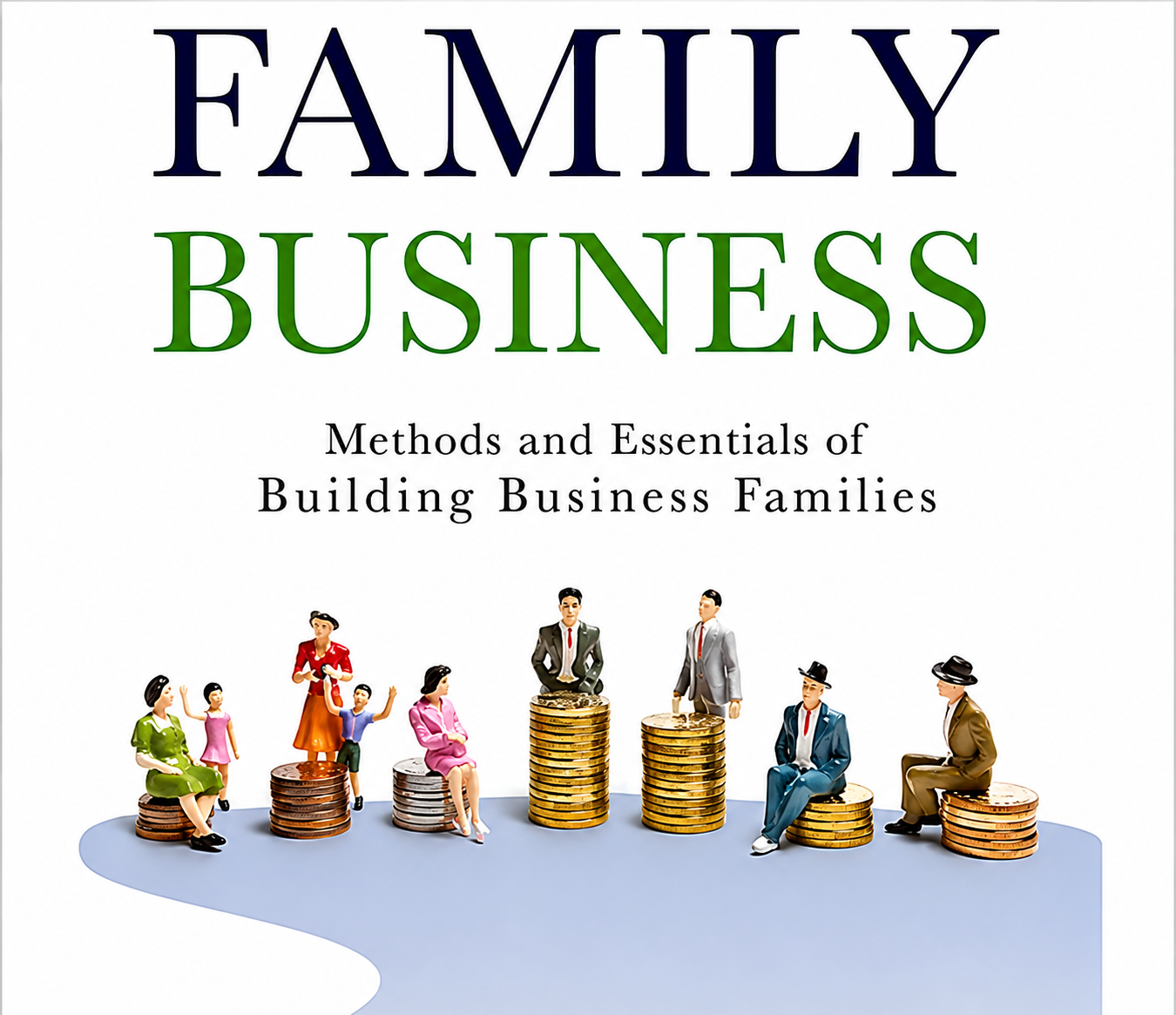
A family business is more than a company owned by relatives. It represents shared values, long-term commitment, and the goal of creating wealth and opportunities for future generations. Many of the world’s most respected companies began as small family-owned enterprises and grew into global brands through careful planning, strong leadership, and continuous innovation.
Unlike other businesses, family-owned companies combine personal relationships with professional responsibilities. While this can create unique strengths such as trust and loyalty, it can also lead to challenges involving decision-making, succession, and conflict management.
Whether you operate a small local shop, a manufacturing company, a family farm, or a growing online business, understanding how to manage a family business effectively is essential for long-term success.
This guide explores the key characteristics of successful family businesses, their advantages, common challenges, and the strategies that help them thrive across multiple generations.
What Is the Family Business?
A family business is a company that is owned, managed, or significantly influenced by members of the same family. Family members often participate in leadership, daily operations, financial decisions, and long-term planning.
Some businesses remain small and locally operated, while others expand into multinational organizations without losing their family ownership.
A family business may involve:
- Parents and children.
- Brothers and sisters.
- Married couples.
- Multiple generations.
- Extended family members.
Although ownership structures vary, the common goal is maintaining both business success and family continuity.
Characteristics of Successful Family Businesses
Strong family businesses share several important qualities that contribute to their long-term growth.
Shared Vision
Successful families work toward common business goals rather than individual interests.
A shared vision helps everyone understand:
- Company objectives.
- Future plans.
- Business values.
- Growth priorities.
When family members understand the same mission, decision-making becomes more consistent.
Long Term Commitment
Family-owned companies often focus on sustainable growth instead of short-term profits.
Many decisions are made with future generations in mind, encouraging responsible investments and careful financial planning.
Strong Relationships
Trust is one of the greatest strengths of many family businesses.
Family members often understand one another well, allowing them to work together efficiently during both opportunities and challenges.
Customer Loyalty
Many family businesses build lasting relationships with customers through:
- Personal service.
- Community involvement.
- Consistent quality.
- Long-term reputation.
These relationships often become a competitive advantage.
Advantages of a Family Business
Running a family-owned company offers several benefits that distinguish it from other business structures.
Faster Decision Making
Family members usually communicate directly, allowing important decisions to be made more quickly than in organizations with multiple layers of management.
Greater Trust
Trust among family members often improves collaboration and reduces internal barriers.
While disagreements may occur, strong relationships frequently encourage open communication.
Long Term Stability
Family businesses often prioritize sustainability rather than rapid expansion.
This long-term perspective supports:
- Careful financial planning.
- Responsible investments.
- Business continuity.
- Reputation management.
Shared Values
Families commonly build businesses around principles such as:
- Integrity.
- Quality.
- Customer service.
- Hard work.
- Community involvement.
These values often become part of the company’s identity.
Flexible Leadership
Many family businesses can adapt quickly because owners are directly involved in daily operations.
This flexibility allows faster responses to market changes and customer needs.
Common Challenges Family Businesses Face
Although family businesses have many strengths, combining personal relationships with professional responsibilities also creates unique challenges.
Balancing Family and Business
Separating personal issues from business decisions can be difficult.
Family disagreements sometimes affect workplace communication and productivity.
Establishing professional boundaries helps reduce these problems.
Succession Uncertainty
One of the biggest challenges involves deciding who will lead the business in the future.
Without proper planning, leadership transitions may create confusion and conflict.
Role Confusion
Family members may hold multiple roles at the same time.
For example, someone might be both:
- A business partner.
- A manager.
- A sibling.
- A shareholder.
Clearly defining responsibilities helps improve accountability.
Conflict Between Generations
Different generations often have different opinions regarding:
- Technology.
- Marketing.
- Expansion.
- Financial risk.
- Leadership style.
Respectful communication and collaborative planning help bridge these differences.
Leadership and Governance
Strong leadership is essential for every successful family business.
Define Clear Responsibilities
Each family member should understand their responsibilities.
Clearly defined roles reduce confusion and improve operational efficiency.
Examples include:
- Chief executive.
- Operations manager.
- Finance manager.
- Marketing director.
- Human resources coordinator.
Establish Business Policies
Professional policies help ensure fairness.
Areas that should be documented include:
- Hiring practices.
- Performance expectations.
- Compensation.
- Promotion criteria.
- Decision-making authority.
Written policies reduce misunderstandings while supporting transparency.
Separate Ownership From Management
Not every family owner needs to participate in daily operations.
Some family members may remain shareholders while experienced managers oversee business activities.
This approach often improves operational effectiveness.
Building a Strong Company Culture
A positive workplace culture benefits both family and non-family employees.
Successful family businesses often encourage:
- Respect.
- Accountability.
- Teamwork.
- Continuous learning.
- Innovation.
- Open communication.
Creating an inclusive environment helps attract talented employees while strengthening long-term business performance.
Preparing for Sustainable Growth
Growth requires more than increasing sales.
Family businesses should regularly evaluate:
- Customer satisfaction.
- Market opportunities.
- Financial performance.
- Employee development.
- Operational efficiency.
- Technology investments.
Strategic planning ensures the business remains competitive while preserving the family’s long-term vision.
Succession Planning Across Generations
One of the most important responsibilities in the family business is preparing for leadership transitions. A well-planned succession strategy helps protect the company’s future while reducing uncertainty for employees, customers, and family members.
Start Planning Early
Succession planning should begin years before a leadership change takes place.
Early preparation provides enough time to:
- Identify future leaders.
- Develop management skills.
- Create transition plans.
- Minimize business disruption.
Waiting until retirement or an unexpected event can make the transition far more difficult.
Develop Future Leaders
Potential successors should gain practical experience in different areas of the business.
This may include working in:
- Operations.
- Sales.
- Finance.
- Customer service.
- Marketing.
- Human resources.
A broad understanding of the company prepares future leaders to make informed decisions.
Create a Written Succession Plan
A documented succession plan should outline:
- Leadership responsibilities.
- Ownership transfer plans.
- Decision-making authority.
- Emergency leadership procedures.
- Long-term business goals.
Clear documentation reduces confusion and provides direction during periods of change.
Managing Family Relationships at Work
Working with relatives can strengthen a company, but it also requires professionalism.
Separate Family and Business Discussions
Business decisions should be made based on facts and company objectives rather than personal relationships.
Scheduling formal meetings helps keep conversations productive.
Communicate Openly
Honest communication builds trust and reduces misunderstandings.
Encourage family members to:
- Share ideas.
- Express concerns respectfully.
- Listen to different viewpoints.
- Focus on finding solutions.
Treat Employees Fairly
Non-family employees should receive the same opportunities for growth, recognition, and advancement as family members.
A fair workplace improves morale and strengthens company culture.
Innovation and Digital Transformation
Many successful family businesses continue to grow because they embrace innovation while preserving their core values.
Adopt Modern Technology
Digital tools can improve efficiency in areas such as:
- Accounting.
- Inventory management.
- Customer service.
- Project management.
- Marketing.
- Sales reporting.
Technology helps businesses remain competitive in changing markets.
Build an Online Presence
A professional online presence increases visibility and supports business growth.
Consider investing in:
- A modern website.
- Search engine optimization.
- Social media marketing.
- Email marketing.
- Online customer support.
Digital channels make it easier to connect with existing and potential customers.
Encourage Continuous Learning
Business owners and employees should regularly update their knowledge through:
- Industry conferences.
- Training programs.
- Professional certifications.
- Business workshops.
- Online learning platforms.
A culture of learning encourages innovation and long-term success.
Long-Term Growth Strategies
Family businesses that thrive across generations usually focus on sustainable expansion rather than rapid growth.
Diversify Products and Services
Expanding your offerings can reduce dependence on a single revenue source.
Evaluate opportunities based on:
- Customer demand.
- Market trends.
- Company expertise.
- Available resources.
Strengthen Customer Relationships
Long-term customers often become the foundation of a successful family business.
Build loyalty by providing:
- Excellent service.
- Consistent quality.
- Honest communication.
- Reliable support.
Satisfied customers are more likely to recommend your business to others.
Invest in Employees
Employees contribute directly to business success.
Support them through:
- Training.
- Career development.
- Performance feedback.
- Recognition programs.
A motivated team helps improve productivity and customer satisfaction.
Monitor Financial Performance
Regularly review important financial metrics, including:
- Revenue.
- Expenses.
- Profit margins.
- Cash flow.
- Return on investment.
Accurate financial information supports better strategic decisions.
Common Mistakes to Avoid
Even well-established family businesses can face setbacks if common challenges are ignored.
Avoiding Difficult Conversations
Ignoring disagreements often allows problems to grow.
Address concerns early through respectful and constructive discussions.
Failing to Document Policies
Without written policies, expectations may become unclear.
Document procedures for:
- Hiring.
- Promotions.
- Compensation.
- Ownership.
- Succession.
Resisting Change
Markets, technology, and customer expectations evolve over time.
Businesses that refuse to adapt may struggle to remain competitive.
Mixing Personal and Business Finances
Keeping personal and business finances separate improves financial management and simplifies accounting.
Neglecting Strategic Planning
Successful businesses regularly review goals, assess market conditions, and adjust strategies to support future growth.
Building a Legacy That Lasts
A successful family business is measured not only by profits but also by the legacy it creates.
Strong businesses often share several characteristics:
- Ethical leadership.
- Customer trust.
- Employee loyalty.
- Financial stability.
- Commitment to innovation.
- Long-term vision.
Focusing on these principles helps create a company that can continue serving customers and supporting future generations.
If you’re interested in entrepreneurship, leadership, business strategy, family-owned companies, and long-term business growth, Readmento.com provides practical articles and resources designed to help business owners make informed decisions. The platform covers management techniques, financial planning, digital transformation, and other topics that support sustainable business success.
Final Thoughts
Running the family business offers unique rewards as well as unique responsibilities. While family-owned companies benefit from trust, shared values, and long-term commitment, they also require clear communication, professional management, and thoughtful succession planning.
By establishing strong governance, embracing innovation, investing in employees, and preparing future leaders, family businesses can remain competitive while preserving their values across generations. With the right strategies in place, a family-owned company can become a lasting legacy that benefits both the business and the family for many years to come.
Frequently Asked Questions
What is a family business?
A family business is a company that is owned, managed, or significantly influenced by members of the same family. Family members often participate in leadership, operations, or ownership decisions.
Why are family businesses successful?
Many family businesses succeed because they emphasize trust, long-term planning, shared values, strong customer relationships, and a commitment to preserving the business for future generations.
What are the biggest challenges in a family business?
Common challenges include succession planning, role confusion, balancing family relationships with business decisions, conflict between generations, and adapting to changing market conditions.
Why is succession planning important?
Succession planning prepares future leaders, ensures business continuity, reduces uncertainty during leadership transitions, and helps preserve the company’s long-term vision.
How can family businesses reduce conflicts?
Clear communication, documented policies, defined responsibilities, regular meetings, and professional decision-making processes help minimize misunderstandings and maintain healthy working relationships.
Can non-family employees work in a family business?
Yes. Many successful family businesses employ non-family professionals who contribute valuable expertise and help support long-term growth. Treating all employees fairly is essential for maintaining a positive workplace culture.
How can a family business continue growing?
Family businesses can support sustainable growth by embracing technology, investing in employee development, expanding products or services, maintaining strong customer relationships, monitoring financial performance, and regularly reviewing long-term strategic goals.
Tagged: the family business