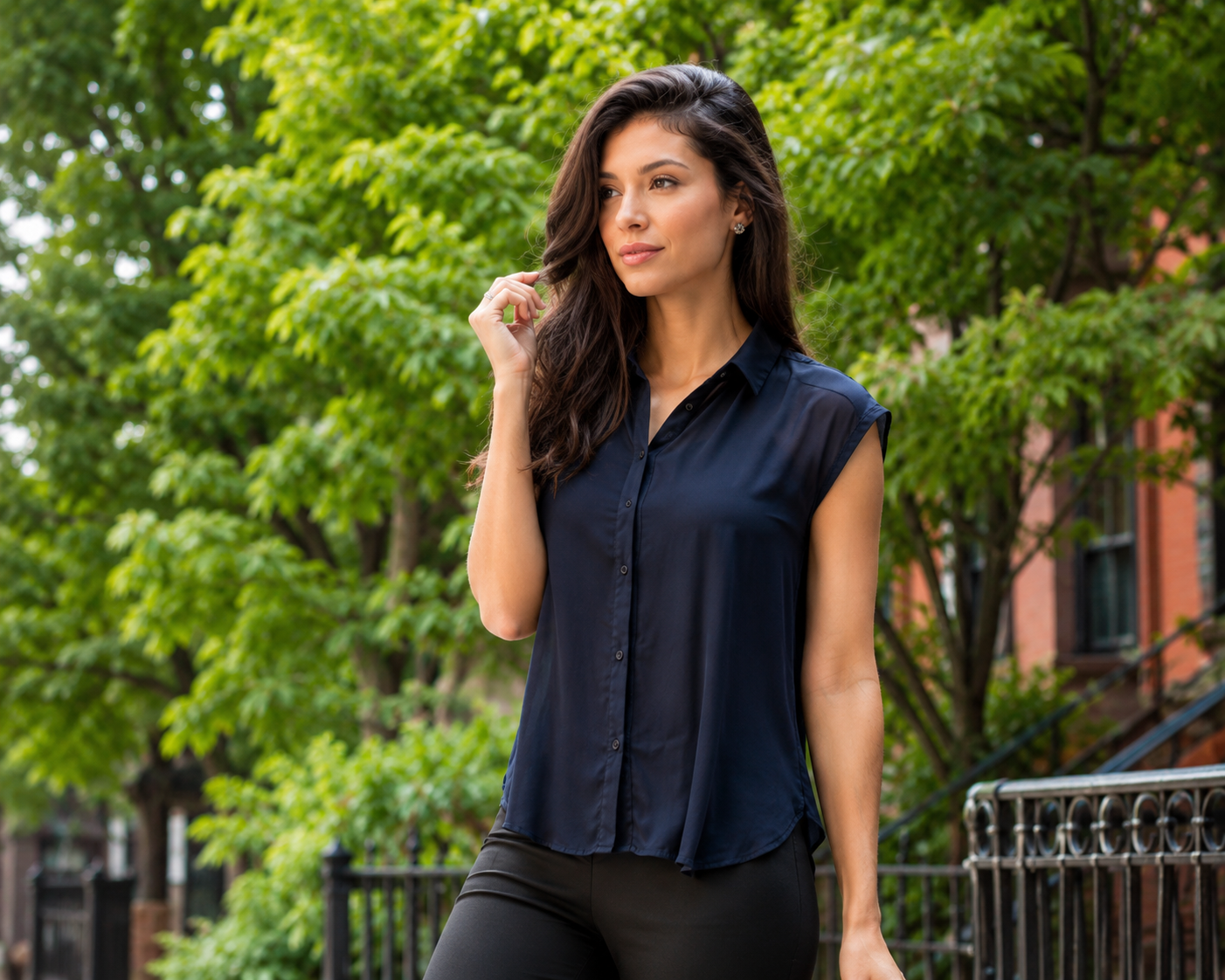
Understanding business casual women fashion is essential for creating a professional image while remaining comfortable throughout the workday. Modern workplaces have embraced more flexible dress codes, allowing women to express their personal style without sacrificing professionalism.
Business casual clothing bridges the gap between formal office attire and everyday casual wear. The goal is to create outfits that are polished, comfortable, and appropriate for meetings, presentations, interviews, networking events, and daily office responsibilities.
Whether you’re starting your first office job, refreshing your work wardrobe, or adapting to a new company dress code, this guide will help you build stylish business casual outfits that suit a variety of workplaces and seasons.
What Is Business Casual for Women?
Business casual is a workplace dress code that combines professional clothing with a relaxed yet refined appearance. Unlike traditional business formal attire, business casual offers greater flexibility while still maintaining a neat and sophisticated look.
Although expectations vary between industries, business casual generally includes well-fitted clothing, neutral colors, clean footwear, and minimal accessories.
Key Characteristics
A typical business casual wardrobe includes:
- Blouses.
- Button-up shirts.
- Dress pants.
- Tailored skirts.
- Knee-length dresses.
- Cardigans.
- Blazers.
- Professional footwear.
The focus is on creating outfits that are stylish without appearing overly casual.
Essential Business Casual Wardrobe
A versatile wardrobe makes it easier to create multiple professional outfits without purchasing excessive clothing.
Blouses
Blouses are one of the most versatile pieces in a business casual wardrobe.
Recommended colors include:
- White.
- Light blue.
- Beige.
- Soft pink.
- Navy.
- Gray.
Simple patterns and elegant fabrics help maintain a professional appearance.
Button Up Shirts
Classic button-up shirts pair well with trousers, skirts, and blazers.
Cotton and wrinkle-resistant fabrics are practical choices for daily office wear.
Lightweight Sweaters
Crewneck and V-neck sweaters provide warmth while maintaining a polished appearance.
Neutral shades coordinate easily with other wardrobe essentials.
Cardigans
Cardigans are excellent layering pieces, especially in offices with varying temperatures.
Choose structured styles rather than oversized designs for a more professional look.
Choosing the Right Bottoms
Business casual outfits should balance comfort with sophistication.
Dress Pants
Tailored trousers remain one of the most reliable options for professional settings.
Popular colors include:
- Black.
- Navy.
- Gray.
- Beige.
- Charcoal.
Straight-leg, tapered, and wide-leg styles can all work when properly tailored.
Chinos
Many workplaces accept chinos as part of a business casual wardrobe.
They offer a comfortable alternative to dress trousers while maintaining a polished appearance.
Pencil Skirts
A well-fitted pencil skirt remains a timeless office essential.
Choose knee-length or slightly below-the-knee designs for a professional look.
A Line Skirts
A-line skirts provide comfort and versatility while pairing easily with blouses, sweaters, and blazers.
Dresses Suitable for Business Casual
Professional dresses simplify outfit planning while maintaining an elegant appearance.
Popular choices include:
Sheath Dresses
Sheath dresses offer a clean silhouette suitable for meetings and presentations.
Wrap Dresses
Wrap dresses combine comfort with a flattering fit, making them a popular option for many workplaces.
Midi Dresses
Solid-colored midi dresses paired with blazers or cardigans create sophisticated business casual outfits.
Avoid dresses with excessive embellishments, very short hemlines, or revealing necklines.
Shoes That Complete the Outfit
Footwear significantly influences the overall appearance of a business casual outfit.
Ballet Flats
Comfortable and versatile, ballet flats pair well with dresses, skirts, and trousers.
Loafers
Leather loafers create a polished appearance while remaining comfortable throughout the workday.
Block Heels
Low and medium-height block heels provide professional style with greater comfort than very high heels.
Ankle Boots
During cooler seasons, ankle boots complement many business casual outfits.
Choose clean leather or suede styles in neutral colors.
Jackets and Layering Pieces
Layering helps create more polished outfits while adapting to changing office temperatures.
Blazers
A tailored blazer instantly elevates nearly any business casual outfit.
Essential colors include:
- Black.
- Navy.
- Gray.
- Beige.
Structured Cardigans
Professional cardigans provide warmth without appearing overly casual.
Lightweight Trench Coats
For commuting during spring or autumn, a classic trench coat adds both style and practicality.
Business Casual Outfit Ideas for Different Workplaces
Every workplace interprets business casual slightly differently.
Corporate Office
A polished combination may include:
- White blouse.
- Navy trousers.
- Black loafers.
- Tailored blazer.
Technology Company
Many technology companies adopt a more relaxed approach.
Examples include:
- Knit top.
- Tailored chinos.
- Ballet flats.
- Lightweight cardigan.
Creative Industry
Creative workplaces often allow greater personal expression while maintaining professionalism.
A stylish outfit might include:
- Printed blouse.
- Midi skirt.
- Block heels.
- Statement blazer in a subtle color.
Observing your company’s culture helps you determine the appropriate level of creativity in your wardrobe.
Business Casual by Season
A well-planned wardrobe adapts to changing weather while maintaining a professional appearance. Choosing season-appropriate fabrics and layering pieces keeps you comfortable throughout the year.
Spring
Spring is ideal for introducing lighter colors and breathable fabrics.
Good choices include:
- Cotton blouses.
- Beige trousers.
- Floral prints in subtle designs.
- Lightweight cardigans.
- Ballet flats.
Soft pastel shades work well while maintaining a polished look.
Summer
Hot weather requires clothing that is both comfortable and office appropriate.
Recommended options include:
- Linen-blend blouses.
- Lightweight dresses.
- Cropped dress pants.
- Loafers.
- Block heels.
Choose breathable fabrics while avoiding clothing that is too casual or overly revealing.
Autumn
Autumn outfits often include layering.
Popular combinations include:
- Knit sweaters.
- Tailored trousers.
- Midi skirts.
- Blazers.
- Ankle boots.
Warm colors such as burgundy, olive, camel, and charcoal complement the season.
Winter
Cold weather calls for warmer fabrics without compromising professionalism.
Consider wearing:
- Wool coats.
- Turtleneck sweaters.
- Tailored trousers.
- Leather boots.
- Cashmere scarves.
Layering helps maintain both comfort and style during colder months.
Business Casual vs Business Professional
Although these dress codes share similarities, business professional is generally more formal than business casual.
| Feature | Business Casual | Business Professional |
|---|---|---|
| Blazer | Optional | Usually expected |
| Dress | Business casual dress | Formal business dress |
| Tops | Blouses, sweaters, button-up shirts | Formal blouses or dress shirts |
| Bottoms | Dress pants, skirts, chinos | Tailored dress pants or formal skirts |
| Shoes | Flats, loafers, block heels | Classic pumps or formal heels |
| Overall Style | Comfortable and polished | Traditional and highly professional |
If you are unsure about your workplace expectations, dressing slightly more formally is usually the safer option until you become familiar with the company culture.
Common Business Casual Mistakes
Even high-quality clothing can appear unprofessional if it is styled incorrectly.
Wearing Poorly Fitted Clothing
Fit has a major impact on appearance.
Avoid clothing that is:
- Too tight.
- Too loose.
- Too long.
- Excessively oversized.
Tailored garments create a cleaner and more confident look.
Choosing Casual Footwear
Athletic sneakers, flip-flops, and heavily worn shoes are generally not appropriate for business casual workplaces.
Instead, choose polished footwear designed for professional settings.
Overusing Accessories
Accessories should enhance an outfit rather than dominate it.
Simple jewelry, a classic watch, and a structured handbag often create the most professional appearance.
Ignoring Grooming
Professional style extends beyond clothing.
Maintain:
- Neatly styled hair.
- Clean nails.
- Well-maintained shoes.
- Wrinkle-free clothing.
- Minimal and appropriate makeup if preferred.
Attention to detail strengthens your overall presentation.
Wearing Distracting Patterns
Bright graphics, oversized logos, and extremely bold prints can distract from a professional appearance.
Classic patterns and solid colors are generally easier to style and remain appropriate for most workplaces.
Tips for Building a Versatile Work Wardrobe
A carefully planned wardrobe allows you to create numerous outfits using a smaller collection of quality pieces.
Invest in Neutral Colors
Neutral shades pair easily with one another.
Essential colors include:
- Black.
- Navy.
- Gray.
- White.
- Beige.
- Camel.
These colors create a timeless foundation for professional outfits.
Focus on Quality Basics
Instead of purchasing many trendy pieces, begin with wardrobe essentials such as:
- White blouse.
- Tailored trousers.
- Black blazer.
- Pencil skirt.
- Comfortable loafers.
- Neutral cardigan.
Quality basics remain useful across multiple seasons.
Add Color Thoughtfully
Accent colors can make outfits more interesting without becoming overwhelming.
Consider adding:
- Burgundy.
- Emerald green.
- Soft pink.
- Dusty blue.
- Lavender.
These shades work well with neutral wardrobe staples.
Rotate Your Outfits
Changing blazers, shoes, scarves, or accessories allows you to create fresh combinations while maximizing the use of your existing wardrobe.
Business Casual Style Tips for Professional Success
Your appearance often contributes to first impressions in the workplace.
To dress with confidence:
- Choose clothing that fits properly.
- Keep garments clean and pressed.
- Select comfortable professional shoes.
- Dress appropriately for your company’s culture.
- Prioritize comfort alongside style.
- Build a wardrobe that reflects professionalism and confidence.
A thoughtful approach to dressing helps you feel prepared for meetings, presentations, interviews, and everyday work.
If you enjoy learning about workplace fashion, career development, lifestyle trends, and practical styling advice, Readmento.com offers informative articles that help professionals build confident wardrobes and make smart fashion choices. The platform provides easy-to-follow guidance on office attire, personal style, and modern workplace trends.
Final Thoughts
Understanding business casual women style is about creating outfits that combine professionalism, comfort, and versatility. By investing in timeless wardrobe essentials such as tailored trousers, elegant blouses, structured blazers, comfortable footwear, and classic accessories, you can build a collection of outfits suitable for a wide variety of professional settings.
Every workplace has its own interpretation of business casual, so observing company culture and dressing appropriately is just as important as following general style guidelines. A well-planned wardrobe not only enhances your appearance but also helps you feel confident and prepared for every workday.
Frequently Asked Questions
What is business casual for women?
Business casual is a workplace dress code that combines professional clothing with a more relaxed style. Common pieces include blouses, tailored trousers, skirts, dresses, cardigans, blazers, and professional shoes.
Can women wear jeans for business casual?
Some workplaces allow dark, well-fitted jeans without rips or fading. However, many offices still prefer dress pants, skirts, or tailored dresses for everyday business casual attire.
Are sneakers appropriate for business casual?
Minimalist leather sneakers may be acceptable in some modern workplaces, but traditional athletic sneakers are generally considered too casual for most business casual environments.
What shoes are best for business casual?
Popular options include ballet flats, loafers, block heels, ankle boots, and other professional footwear that is comfortable enough for all-day wear.
Is a blazer required for business casual?
No. A blazer is optional in many workplaces, but it adds a polished appearance and is useful for meetings, presentations, interviews, and formal office events.
Which colors work best for a business casual wardrobe?
Neutral shades such as black, navy, gray, white, beige, and camel provide a versatile foundation. Accent colors like burgundy, emerald green, dusty blue, and soft pink can add variety while maintaining a professional appearance.
How can I build a business casual wardrobe on a budget?
Start with versatile basics in neutral colors, invest in quality pieces that can be mixed and matched, shop during seasonal sales, and gradually expand your wardrobe with accessories and layering items rather than purchasing many trend-focused garments.
Tagged: business casual women