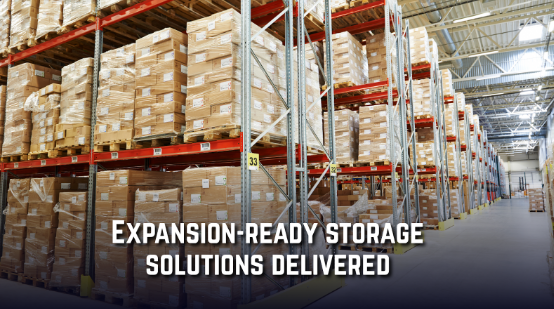
In today’s fast-paced global economy, warehouse construction plays a vital role in supporting the rapid expansion of businesses across industries. As supply chains become more dynamic and customer expectations continue to rise, companies require advanced storage facilities that are not only efficient but also adaptable to future growth. Warehouses have evolved far beyond traditional storage units, becoming strategic assets that enhance logistics, streamline operations, and enable scalability.
The Shift Toward Intelligent Storage Infrastructure
Modern businesses demand more from their storage facilities than ever before. Warehouses today are designed to function as integrated hubs that support inventory management, distribution, and logistics in a seamless manner. This shift has led to the development of intelligent infrastructure where design, technology, and functionality come together.
An efficiently built warehouse, often delivered by experienced warehouse contractors in dubai, ensures optimal use of space while maintaining smooth workflow. These professionals focus on combining structural durability with smart layouts, creating facilities that can handle high-volume operations without compromising efficiency.
Optimizing Layout for Maximum Productivity
The layout of a warehouse directly impacts its performance. Strategic planning is essential to ensure that every square meter contributes to productivity. From entry and exit points to storage zones and operational areas, each element must be carefully positioned.
High-clearance ceilings allow vertical stacking, significantly increasing storage capacity without expanding the building footprint. Wide pathways facilitate the movement of goods and machinery, reducing delays and improving workflow efficiency. Clearly defined zones for receiving, storage, packaging, and dispatch create a streamlined process that minimizes confusion and operational errors.
A well-planned layout not only enhances productivity but also reduces operational costs by improving time management and resource utilization.
The Role of Technology in Modern Warehouses
Technology has become a cornerstone of warehouse construction, transforming how facilities operate. Advanced systems are now integrated into the design phase to support automation and real-time monitoring.
Modern warehouses feature automated storage and retrieval systems, barcode scanning, and AI-powered inventory management tools. These innovations help businesses maintain accuracy, reduce human error, and improve overall efficiency. Real-time tracking systems provide visibility into inventory levels, enabling better decision-making and faster response times.
By incorporating these technologies, warehouses become smarter, more efficient, and capable of handling increasing operational demands.
Scalability to Support Business Growth
One of the defining features of contemporary warehouse construction is scalability. Businesses operate in an ever-changing environment, and their storage requirements can evolve rapidly. A warehouse must be designed to grow alongside the business it supports.
Modular construction techniques and flexible layouts allow for easy expansion without disrupting ongoing operations. This adaptability ensures that businesses can increase capacity as needed, without incurring significant downtime or additional costs.
Scalable warehouses provide long-term value by enabling businesses to respond quickly to market changes and growth opportunities.
Durability and Long-Term Performance
Warehouses are subjected to heavy usage, including constant movement of goods, machinery, and personnel. This makes durability a critical aspect of construction. High-quality materials and robust structural design ensure that the facility can withstand operational stress and environmental conditions.
Reinforced flooring systems support heavy loads, while advanced roofing solutions provide protection against weather extremes. Proper ventilation and climate control systems maintain optimal conditions for both goods and workers.
A durable warehouse reduces maintenance requirements and extends the lifespan of the facility, making it a cost-effective investment in the long run.
Sustainable Approaches in Warehouse Development
Sustainability is increasingly influencing the way warehouses are designed and constructed. Businesses are recognizing the importance of reducing their environmental footprint while maintaining operational efficiency.
Energy-efficient lighting systems, solar panels, and optimized insulation help reduce energy consumption. Water conservation systems and waste management practices further contribute to sustainable operations. The use of eco-friendly materials also plays a significant role in minimizing environmental impact.
Sustainable warehouse construction not only benefits the environment but also enhances a company’s reputation and reduces operational costs over time.
Strategic Location and Connectivity
The effectiveness of a warehouse is not determined by design alone; location plays a crucial role. Proximity to major transportation routes, ports, and commercial hubs ensures efficient movement of goods and reduces logistics costs.
Strategically located warehouses enable faster delivery times and improved customer satisfaction. Connectivity to key markets allows businesses to operate more efficiently and maintain a competitive edge.
Careful planning during the construction phase ensures that the warehouse is positioned to support both current operations and future expansion.
Conclusion
As businesses continue to expand and adapt to evolving market demands, the importance of advanced warehouse construction becomes increasingly evident. Modern warehouses are no longer just storage spaces; they are dynamic hubs that drive efficiency, support growth, and enhance overall business performance. From intelligent design and technological integration to scalability and sustainability, every aspect of construction plays a role in creating high-performing facilities. Collaborating with a reliable dubai construction company ensures that these warehouses are built with precision, quality, and long-term value, enabling businesses to thrive in a competitive and rapidly changing environment.