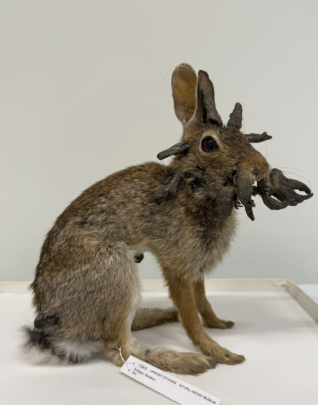
Colorado rabbits with tentacles have become an unusual topic of curiosity on the internet. Photos, artwork, and stories featuring rabbits with octopus-like tentacles have circulated online, leading many people to wonder whether such creatures actually exist. While the idea may seem mysterious, it is rooted in folklore, artistic creativity, internet culture, and fictional storytelling rather than real wildlife.
What Are Colorado Rabbits With Tentacles?
Colorado rabbits with tentacles are fictional creatures that combine the appearance of a rabbit with tentacle-like appendages, often resembling those of an octopus or squid.
These imaginary animals are commonly featured in:
- Digital artwork
- Fantasy illustrations
- Sculptures
- Taxidermy-inspired art
- Social media posts
- Urban legends
- Internet memes
There is no scientific evidence that rabbits with tentacles exist in Colorado or anywhere else.
Origin of the Myth
The legend is believed to have developed through a combination of Western folklore, fantasy art, and internet humor.
Several factors contributed to its popularity:
- Creative taxidermy displays
- Fantasy creature illustrations
- Viral online images
- Local storytelling
- Interest in cryptids and mythical animals
As unusual images spread online, many people began searching to learn whether the creature was real.
Connection to Cryptid Culture
The rabbit with tentacles is sometimes grouped with fictional cryptids.
A cryptid is an animal that some people claim exists despite lacking scientific confirmation.
Well-known examples include:
- Bigfoot
- Loch Ness Monster
- Chupacabra
- Jackalope
Like these legendary creatures, the tentacled rabbit belongs to folklore and imaginative storytelling rather than zoology.
The Influence of the Jackalope
Many people believe the idea was inspired by the Jackalope, a legendary rabbit with antelope horns that has been part of American folklore for decades.
Artists expanded on this concept by imagining rabbits with different unusual features, including:
- Tentacles
- Wings
- Multiple tails
- Glowing eyes
- Sea creature characteristics
These creative interpretations helped fuel online interest.
Why Did the Images Become Popular?
Several reasons explain why the images gained attention:
- They appear surprisingly realistic.
- Digital editing has become highly advanced.
- Fantasy artwork is widely shared online.
- Social media encourages viral content.
- People enjoy mysterious creatures and urban legends.
Many viewers initially mistake the artwork for genuine wildlife photography.
Do Rabbits With Tentacles Really Exist?
No.
Wildlife experts and zoologists have found no evidence that rabbits naturally develop tentacles or similar appendages.
The viral images found online are generally:
- Digital illustrations
- AI-generated artwork
- Sculptures
- Fantasy models
- Artistic taxidermy creations
- Photo manipulations
They are intended as entertainment rather than scientific documentation.
Colorado Wildlife Facts
Although tentacled rabbits are fictional, Colorado is home to many fascinating real animals, including:
- Black-tailed Jackrabbit
- Snowshoe Hare
- Mule Deer
- American Black Bear
- Mountain Lion
- Rocky Mountain Elk
These species are regularly observed in Colorado’s forests, mountains, and grasslands.
Why Do People Search for Colorado Rabbits With Tentacles?
Interest in this topic continues because people encounter unusual images or references online and want to know if the creature is real.
Common reasons include:
- Viral social media posts
- Fantasy artwork
- Curiosity about mythical creatures
- Internet memes
- Cryptid discussions
- Creative storytelling
The unusual appearance naturally encourages people to investigate further.
Cultural Impact
Although fictional, tentacled rabbits have become part of internet folklore and fantasy art communities.
Artists continue creating imaginative versions that appear in:
- Comic books
- Fantasy illustrations
- Horror artwork
- Online galleries
- Digital collectibles
- Gaming communities
These creations celebrate creativity rather than biology.
Final Thoughts
Colorado rabbits with tentacles are an entertaining example of how folklore, fantasy art, and internet culture can create convincing myths. While no scientific evidence supports the existence of such animals, the legend continues to inspire artists and capture the imagination of people fascinated by cryptids and mythical creatures. For those exploring Colorado’s wildlife, the state’s real rabbits and diverse native species are remarkable in their own right.
Frequently Asked Questions
Are Colorado rabbits with tentacles real?
No. They are fictional creatures created through artwork, storytelling, and digital media.
Where did the legend come from?
The legend likely developed from fantasy art, internet culture, creative taxidermy, and folklore.
Is there any scientific evidence for rabbits with tentacles?
No. Scientists have found no evidence that rabbits naturally possess tentacles.
Why do people believe the images are real?
Modern digital art, AI-generated images, and realistic editing techniques can make fictional creatures appear convincing.
Is this related to the Jackalope?
Yes. The concept is often viewed as a creative variation of the legendary Jackalope.
What is a cryptid?
A cryptid is a creature that is claimed to exist but has not been scientifically verified.
Can rabbits develop tentacles because of mutations?
No known genetic mutation can produce tentacles in rabbits.
Why is Colorado associated with the legend?
Colorado’s wildlife, outdoor culture, and interest in Western folklore have helped the myth gain attention online.
Are the photos on social media authentic?
Most are artistic creations, edited images, sculptures, or AI-generated artwork rather than real photographs.
Why is the topic so popular?
Its unusual appearance, viral images, and connection to folklore make it an intriguing subject for curious readers and fans of mythical creatures.