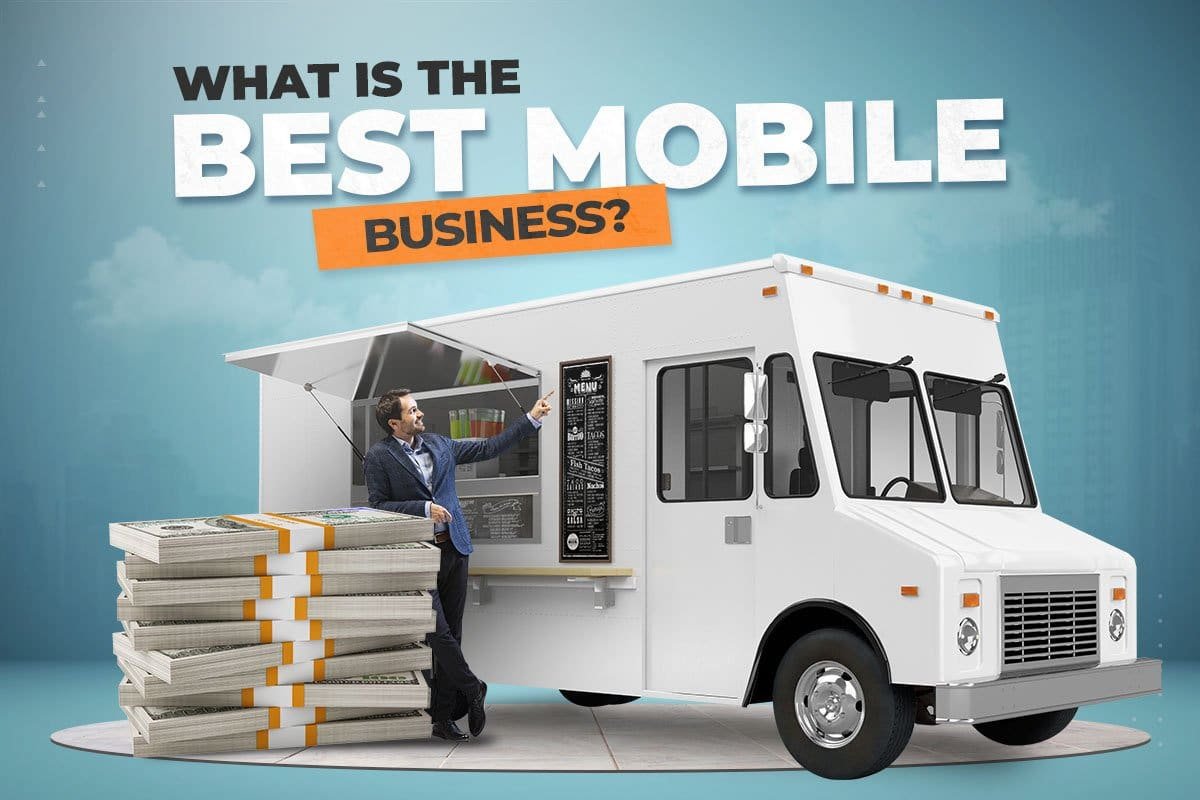
Starting a mobile business has become an attractive option for entrepreneurs who want flexibility, lower overhead costs, and the ability to serve customers wherever demand exists. Instead of relying on a permanent storefront, a mobile business operates from vehicles, trailers, temporary locations, or directly at customer sites.
This business model has expanded rapidly across many industries. From food trucks and mobile coffee shops to pet grooming, car detailing, beauty services, and repair businesses, entrepreneurs are finding new ways to bring products and services directly to customers.
Operating on the move allows business owners to reach multiple locations, reduce rental expenses, and respond quickly to changing market opportunities. However, success requires careful planning, reliable transportation, legal compliance, and effective marketing.
This guide explains what a mobile business is, its advantages, popular business ideas, and the essential steps to launch successfully.
What Is a Mobile Business?
A mobile business is a company that provides products or services without relying on a permanent commercial location. Instead, operations take place from vehicles, temporary booths, customer locations, or portable equipment.
Depending on the industry, businesses may operate from:
- Vans.
- Trucks.
- Trailers.
- Pop-up stands.
- Portable workstations.
- Customer premises.
This flexible model enables entrepreneurs to serve customers in different neighborhoods, cities, or events.
Benefits of Running a Mobile Business
Many entrepreneurs choose this model because it offers several practical advantages compared to traditional brick-and-mortar businesses.
Lower Startup Costs
Opening a physical store often requires substantial investment in rent, utilities, renovations, and furnishings.
Many mobile businesses can begin with lower initial expenses by operating from a vehicle or portable setup.
Greater Flexibility
Business owners can adjust locations based on customer demand.
For example, they may serve:
- Business districts.
- Residential neighborhoods.
- Festivals.
- Farmers’ markets.
- Sporting events.
- Corporate offices.
This flexibility helps maximize sales opportunities.
Wider Customer Reach
Instead of waiting for customers to visit a store, a mobile business brings products or services directly to them.
Serving multiple locations expands the potential customer base.
Faster Market Testing
Entrepreneurs can test different neighborhoods or events before committing to long-term expansion.
This reduces the financial risk associated with opening a permanent location.
Popular Mobile Business Ideas
Many industries successfully operate using a mobile business model.
Food Truck
Food trucks remain one of the most recognizable examples.
Popular concepts include:
- Burgers.
- Tacos.
- Coffee.
- Ice cream.
- Desserts.
- Healthy meals.
Choosing a unique menu and strategic locations can help attract repeat customers.
Mobile Car Detailing
Professional vehicle cleaning services travel directly to customers’ homes or workplaces.
Services may include:
- Exterior washing.
- Interior detailing.
- Waxing.
- Ceramic coating.
- Upholstery cleaning.
This convenience appeals to busy vehicle owners.
Mobile Pet Grooming
Pet owners increasingly appreciate grooming services that come to their homes.
Common offerings include:
- Bathing.
- Hair trimming.
- Nail care.
- Ear cleaning.
- Coat brushing.
A fully equipped grooming van can provide a complete service experience.
Mobile Beauty Services
Beauty professionals often travel to clients for:
- Hair styling.
- Makeup.
- Nail care.
- Bridal services.
- Skincare treatments.
This business model is especially popular for weddings and special events.
Mobile Repair Services
Technicians can provide on-site repairs for:
- Smartphones.
- Computers.
- Home appliances.
- Small electronics.
- Bicycles.
Convenience often becomes a major competitive advantage.
Mobile Cleaning Business
Cleaning services can travel directly to residential or commercial clients.
Examples include:
- Home cleaning.
- Office cleaning.
- Carpet cleaning.
- Window cleaning.
- Pressure washing.
Demand often remains consistent throughout the year.
How to Start a Mobile Business
Launching successfully requires more than purchasing a vehicle.
Research the Market
Study your target customers before investing.
Consider:
- Customer demand.
- Competition.
- Pricing.
- Service areas.
- Local trends.
Research helps identify profitable opportunities.
Create a Business Plan
A detailed business plan should include:
- Business goals.
- Target market.
- Startup budget.
- Marketing strategy.
- Pricing model.
- Revenue projections.
Planning improves decision-making and helps secure financing if needed.
Select the Right Vehicle
The type of vehicle depends on your business.
Examples include:
- Cargo van.
- Food truck.
- Pickup truck.
- Trailer.
- Passenger vehicle with equipment.
Choose a vehicle that supports both daily operations and future growth.
Purchase Equipment
Every industry has different equipment requirements.
Examples include:
- Kitchen equipment.
- Cleaning supplies.
- Beauty tools.
- Repair equipment.
- Point-of-sale systems.
- Storage solutions.
Reliable equipment improves service quality and efficiency.
Equipment, Licensing, and Insurance
Operating legally protects both the business and its customers.
Business Registration
Register your business according to local regulations.
Requirements vary depending on your location and business structure.
Licenses and Permits
Many industries require permits before operating.
Examples include:
- Food service permits.
- Health inspections.
- Vendor permits.
- Local operating licenses.
Always confirm local requirements before launching.
Insurance
Insurance helps protect the business against unexpected events.
Depending on your operations, consider:
- General liability insurance.
- Commercial vehicle insurance.
- Property coverage.
- Workers’ compensation if applicable.
Choosing appropriate coverage supports long-term business stability.
Marketing Strategies for Mobile Businesses
A successful mobile business depends not only on the quality of its products or services but also on its ability to attract customers consistently. Since your location may change, marketing plays an even bigger role than it does for many traditional businesses.
Build a Professional Website
A website helps potential customers learn about your business before making a purchase.
Include important information such as:
- Services or products.
- Pricing when appropriate.
- Business hours.
- Service areas.
- Contact information.
- Online booking options.
A mobile-friendly website also improves visibility in search engines.
Use Social Media
Social media platforms allow you to inform customers about your current location, promotions, and new offerings.
Share content such as:
- Daily locations.
- Behind-the-scenes photos.
- Customer testimonials.
- Product highlights.
- Special discounts.
Regular updates encourage repeat visits and strengthen customer relationships.
Optimize Local Search Presence
Many customers search for nearby businesses online.
Maintain accurate information across local listings, including:
- Business name.
- Phone number.
- Operating hours.
- Service areas.
Encourage satisfied customers to leave reviews, as positive feedback can improve credibility.
Participate in Local Events
Community events provide excellent opportunities to reach new customers.
Consider attending:
- Farmers’ markets.
- Festivals.
- Corporate events.
- Sporting events.
- Community fairs.
These events increase brand awareness while creating opportunities for direct customer interaction.
Encourage Customer Referrals
Happy customers often recommend businesses they trust.
Simple referral programs or loyalty rewards can motivate existing customers to introduce your services to friends and family.
Common Challenges and How to Overcome Them
Every business model has challenges, and mobile operations are no exception.
Weather Conditions
Outdoor operations may be affected by rain, snow, or extreme temperatures.
Prepare by:
- Monitoring weather forecasts.
- Using protective equipment.
- Planning alternative operating locations.
- Communicating schedule changes promptly.
Vehicle Maintenance
Your vehicle is one of your most valuable business assets.
Regular maintenance helps reduce the risk of unexpected breakdowns.
Create a schedule for:
- Oil changes.
- Tire inspections.
- Brake servicing.
- Engine maintenance.
- Equipment inspections.
Changing Customer Demand
Demand may vary depending on location, season, or local events.
Review sales data regularly to identify your most profitable locations and operating times.
Competition
New competitors may enter your market over time.
Differentiate your business by focusing on:
- Excellent customer service.
- High-quality products.
- Reliable scheduling.
- Professional branding.
- Consistent communication.
Tips for Long-Term Growth
Building a sustainable business requires ongoing improvement rather than short-term success.
Expand Service Areas
As demand increases, consider serving additional neighborhoods or nearby cities.
Carefully evaluate travel time and operating costs before expanding.
Diversify Your Services
Adding complementary products or services can increase revenue while serving existing customers more effectively.
For example:
- A car detailing business might offer ceramic coating.
- A mobile beauty service could add skincare consultations.
- A food truck might introduce seasonal menu items.
Invest in Technology
Modern tools can improve daily operations.
Useful technologies include:
- Online scheduling software.
- Mobile payment systems.
- Customer relationship management software.
- Inventory management tools.
- GPS route planning.
Technology helps save time and improve customer satisfaction.
Train Employees
If your business grows beyond a single operator, invest in employee training.
Well-trained staff help maintain:
- Service quality.
- Safety standards.
- Customer satisfaction.
- Operational consistency.
Monitor Financial Performance
Track important business metrics regularly, including:
- Revenue.
- Expenses.
- Profit margins.
- Customer acquisition costs.
- Repeat customer rates.
These insights support informed business decisions.
Best Practices for Operating Efficiently
Successful mobile businesses often follow several practical habits.
Examples include:
- Planning daily routes efficiently.
- Confirming appointments in advance.
- Maintaining adequate inventory.
- Keeping equipment clean and organized.
- Responding quickly to customer inquiries.
- Reviewing customer feedback regularly.
Small improvements in daily operations often lead to better customer experiences and higher profitability.
Why Mobile Businesses Continue to Grow
Consumers increasingly value convenience and personalized service.
Bringing products and services directly to customers saves time while offering greater flexibility.
Industries experiencing continued growth include:
- Food services.
- Vehicle care.
- Home maintenance.
- Health and wellness.
- Beauty services.
- Pet care.
- Professional repair services.
Entrepreneurs who combine convenience with quality service are well positioned for long-term success.
If you’re interested in entrepreneurship, business management, startup strategies, productivity, and practical growth advice, Readmento.com offers informative articles designed to help business owners build stronger companies. The platform covers business planning, marketing, technology, finance, and operational strategies that support sustainable success.
Final Thoughts
A mobile business offers entrepreneurs a flexible and cost-effective way to reach customers without relying on a permanent storefront. Whether you provide food, beauty services, repairs, cleaning, pet care, or another specialized service, mobility allows you to adapt to customer demand while reducing many of the costs associated with traditional retail locations.
Success depends on careful planning, reliable equipment, legal compliance, effective marketing, and outstanding customer service. By continually improving your operations, embracing technology, and responding to changing market needs, you can build a profitable business that continues to grow for years to come.
Frequently Asked Questions
What is a mobile business?
A mobile business provides products or services without operating from a permanent commercial location. It typically serves customers from vehicles, trailers, temporary setups, or directly at customer locations.
What are the benefits of starting a mobile business?
Benefits include lower startup costs, greater flexibility, wider customer reach, reduced overhead expenses, and the ability to operate in multiple locations.
Which mobile businesses are the most profitable?
Profitability depends on demand and execution, but popular options include food trucks, mobile car detailing, pet grooming, beauty services, repair businesses, and professional cleaning services.
Do I need licenses to operate?
Many businesses require licenses, permits, or inspections depending on the industry and local regulations. Always verify the legal requirements in your operating area before launching.
How can I market a mobile business?
Build a professional website, maintain active social media profiles, participate in local events, encourage customer reviews, and optimize your online presence so customers can easily find your services.
How much does it cost to start?
Startup costs vary depending on the type of business, vehicle, equipment, licensing requirements, and marketing expenses. Careful planning helps estimate the investment required.
Can a mobile business grow into a larger company?
Yes. Many entrepreneurs expand by adding more vehicles, hiring employees, increasing service areas, introducing new services, or opening permanent locations while continuing to operate mobile units.
Tagged: mobile business