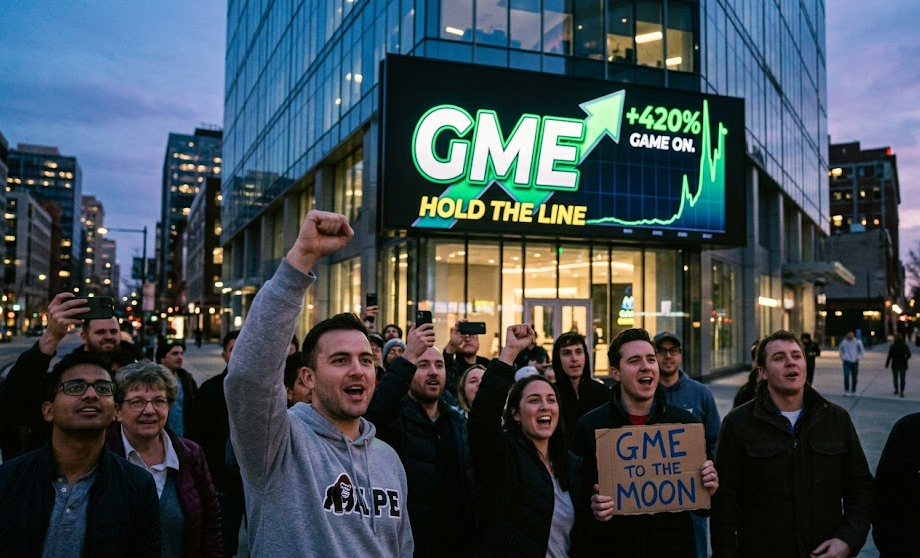
GME is the ticker symbol for GameStop Corp., one of the most talked-about stocks in modern financial history. While GameStop was once known primarily as a video game retailer, it became a global market phenomenon in 2021 after a historic short squeeze that captured the attention of investors, financial professionals, and the general public.
Today, GME remains one of the most closely followed stocks on the New York Stock Exchange (NYSE). Whether you’re a new investor or an experienced trader, understanding the company’s business, stock performance, risks, and long-term prospects is essential before investing.
This guide provides a comprehensive overview of GME stock, helping you make more informed investment decisions.
What Is GME?
GME is the stock ticker for GameStop Corp., an American retailer specializing in:
- Video games
- Gaming consoles
- Gaming accessories
- Collectibles
- Digital gaming products
- Consumer electronics
Although GameStop built its business around physical retail stores, the company has increasingly focused on digital commerce and operational efficiency in response to changing consumer behavior.
Company Overview
GameStop was founded in 1984 and operates thousands of retail locations across several countries. Over the years, it has evolved from a traditional brick-and-mortar retailer into a company working to strengthen its online presence while optimizing store operations.
Its primary revenue sources include:
- Physical game sales
- Gaming hardware
- Accessories
- Collectibles
- Pre-owned products
- Online sales
Why GME Became Famous
GME gained worldwide attention in early 2021 due to an extraordinary market event known as a short squeeze.
At the time:
- Hedge funds had heavily shorted the stock.
- Retail investors coordinated purchases through online communities.
- Demand increased rapidly.
- Short sellers were forced to buy shares to close positions.
- The stock price surged dramatically over a short period.
This event became one of the most significant moments in stock market history and highlighted the growing influence of retail investors.
Understanding the Meme Stock Phenomenon
GameStop is often referred to as a meme stock.
A meme stock is a company whose share price experiences significant volatility because of strong social media attention and retail investor enthusiasm rather than traditional business fundamentals alone.
Characteristics include:
- High trading volume
- Rapid price swings
- Strong online communities
- Significant media coverage
- Elevated investor interest
Although meme stocks can generate substantial returns, they also involve considerable risk.
Factors That Influence GME Stock
Several factors affect GameStop’s share price.
Quarterly Earnings
Financial performance remains one of the most important drivers of investor sentiment.
Key metrics include:
- Revenue
- Earnings per share
- Cash flow
- Profit margins
Retail Sales
Strong gaming hardware and software sales can improve business performance.
Digital Transformation
Investors closely monitor GameStop’s efforts to expand:
- E-commerce
- Digital services
- Customer loyalty
- Technology investments
Market Sentiment
Unlike many traditional stocks, GME is heavily influenced by investor psychology.
Online discussions and retail trading activity can contribute to significant short-term price movements.
Broader Stock Market Conditions
Interest rates, inflation, consumer spending, and overall market confidence also impact the stock.
Business Strengths
GameStop has several advantages.
Recognizable Brand
The company has decades of brand recognition among gamers.
Loyal Customer Base
Many customers continue purchasing:
- Games
- Consoles
- Accessories
- Collectibles
Strong Cash Position
Maintaining healthy liquidity provides flexibility for future investments and business initiatives.
Growing Online Presence
The company continues improving its digital retail capabilities to better compete in today’s gaming market.
Challenges Facing GameStop
Despite its strengths, GameStop faces several challenges.
Digital Game Downloads
Many consumers now purchase games digitally, reducing demand for physical discs.
Industry Competition
GameStop competes with:
- Online retailers
- Console manufacturers
- Digital marketplaces
- Subscription gaming services
Retail Costs
Operating physical stores involves:
- Rent
- Staffing
- Inventory management
- Logistics
These expenses can pressure profitability.
Financial Performance
Investors evaluate several financial indicators when analyzing GME.
Important metrics include:
- Revenue growth
- Net income
- Gross margin
- Operating expenses
- Free cash flow
- Cash reserves
Rather than focusing on daily price fluctuations, long-term investors typically examine these underlying business fundamentals.
Risks of Investing in GME
Every investment carries risk, and GME is no exception.
Potential risks include:
- High price volatility
- Rapid market sentiment changes
- Retail industry competition
- Economic slowdowns
- Shifting consumer preferences
- Speculative trading activity
Because of these factors, investors should carefully assess their risk tolerance before purchasing shares.
Opportunities for Future Growth
Several areas could support future growth.
E-commerce Expansion
Improving online shopping experiences may help increase sales.
Collectibles
Collectibles remain an important business segment with growth potential.
Gaming Industry Growth
The global gaming industry continues expanding through:
- Console gaming
- PC gaming
- Mobile gaming
- Esports
Industry growth may create additional opportunities for retailers.
Should You Invest in GME?
Whether GME is suitable depends on your investment objectives.
It may appeal to investors seeking:
- Exposure to the gaming industry
- High-growth opportunities
- Active trading
- Speculative investments
More conservative investors should consider the stock’s historical volatility before investing.
Tips for New Investors
Before buying GME, consider the following:
- Research the company’s financial statements.
- Understand why the stock can be highly volatile.
- Diversify your investment portfolio.
- Invest only money you can afford to keep invested over the long term.
- Avoid making decisions based solely on social media discussions.
- Review company earnings and business updates regularly.
Frequently Asked Questions
What does GME stand for?
GME is the stock ticker symbol for GameStop Corp., a publicly traded video game retailer listed on the New York Stock Exchange.
Why is GME called a meme stock?
The term refers to the strong influence of online communities and retail investors on the stock’s price movements, particularly during the historic 2021 short squeeze.
Is GME still volatile?
Yes. GME remains more volatile than many large-cap stocks because of active retail trading and changing market sentiment.
Does GameStop still operate retail stores?
Yes. GameStop continues operating physical retail locations while expanding its online business.
Is GME a good long-term investment?
The answer depends on your financial goals, investment horizon, and risk tolerance. Investors should evaluate the company’s financial performance, business strategy, and competitive position before investing.
Conclusion
GME remains one of the most recognizable and closely watched stocks in the market. While the company became famous because of the 2021 short squeeze, its long-term value depends on its ability to strengthen its retail operations, grow digital sales, improve profitability, and adapt to changes in the gaming industry.
For investors, GME represents both opportunity and risk. Understanding the company’s business fundamentals, competitive landscape, financial performance, and market dynamics is essential before making any investment decision. Careful research and a disciplined investment strategy are the best tools for navigating this unique and often volatile stock.